Xpresso Mobile Café is a premium mobile coffee cart business system. We work closely with our operators and suppliers to ensure Australia-wide customers receive the highest quality products and services. Our businesses are supported throughout their coffee van journey to ensure every coffee we produce meets customer expectations.
If you’re looking for a change from the typical 9-5 life and you want to open your own flexible business, a mobile coffee cart may be exactly what you’re looking for. Browse our website and let us know if we can answer any questions for you!

Xpresso Mobile Cafe Premium Blend Means Guaranteed Quality
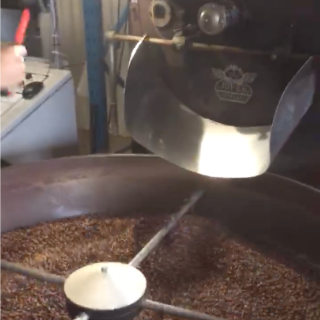
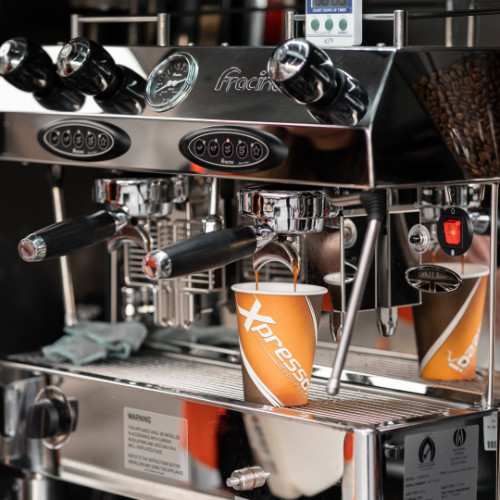
Our in-house roaster has 18+ years experience in the game and has produced for us a sharp, full bodied, medium dark roasted blend that ticks all the boxes using 85+ point coffee beans. Our beans are directly sourced from farmer co-operatives from Brazil, India & PNG. Try Xpresso Mobile Cafe’s Premium Blend today at your business with a visit from your local Xpresso!
Fresh Food from Local Suppliers
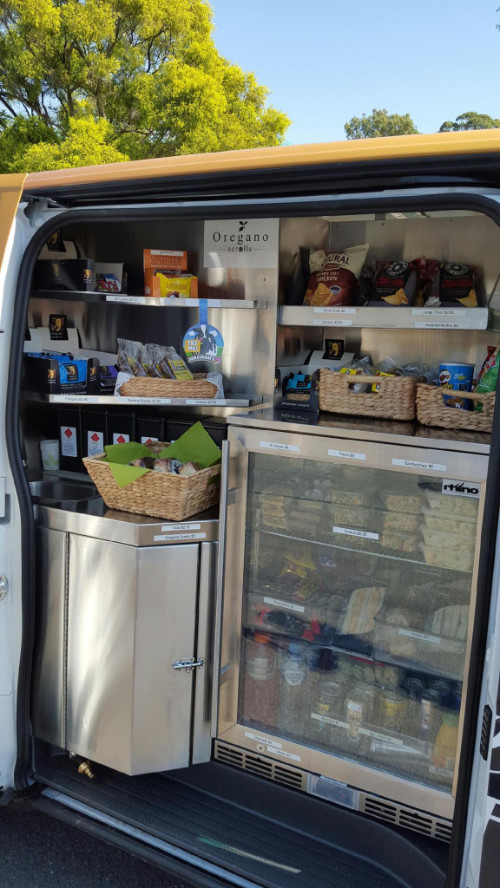
Each coffee van is stocked with high-quality, fresh food and beverages from a trusted national supplier. Supporting local business is important to us, which is why we help our businesses connect and work with the community around them, stocking delicious and locally made food.
Booking Coffee Carts for Your Event.
Choosing an Xpresso Mobile coffee van for your event means you’re supporting a hardworking, local business from your area. Explore your pricing package options and rest easy, knowing you’ve chosen fresh food and delicious coffee.
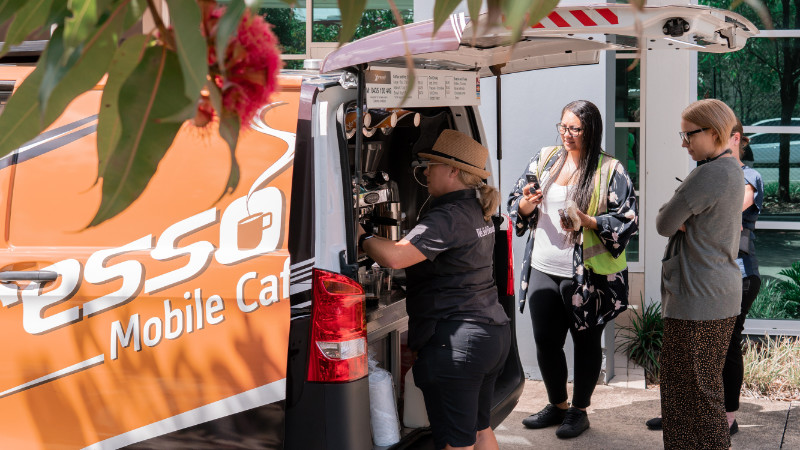
Talk to our friendly team about regular stops to your place of business or events.
Tell us about your event:
NEED A COFFEE URGENTLY?
Joining the Xpresso Mobile Team
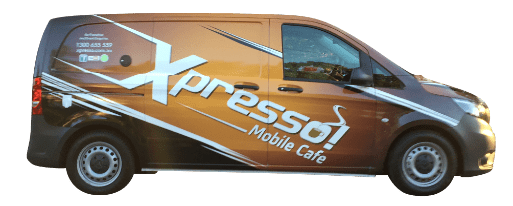
Find all the information you need here to get started with your own coffee van business. We offer ongoing support throughout the process and a 3-week training system to ensure your comfort while starting your own exciting business venture.
discover the Xpresso Mobile Café business pathway